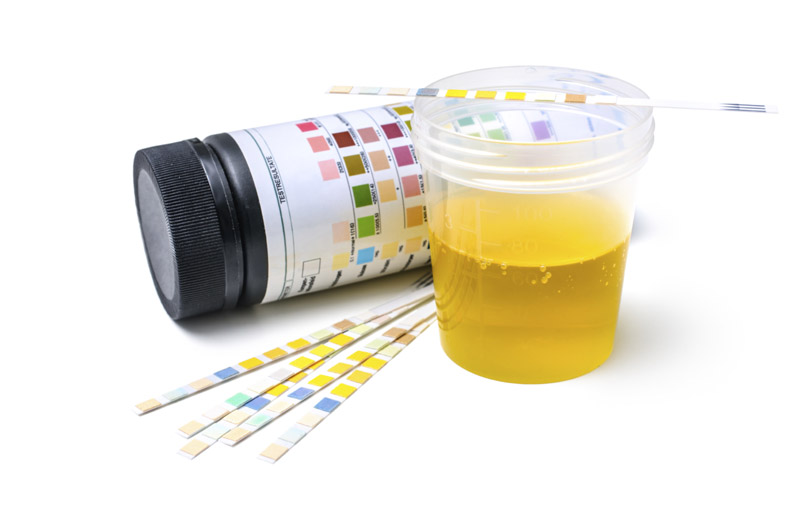
For many, the metric of success in recovery is the binary urine test. “What was the urine test result?” Is one of the most common question we get from families. It is true, it is an important data point but it isn’t the whole story and maybe it’s not even the most important part of the story. A “clean” test, ironic name that developed given urine is waste, is cause for celebration while a “dirty” test incites anger and feelings of forlorn defeat. So what’s the real value of a urine test? The answer, like almost everything in the recovery world is: it depends.
The first thing to keep in mind is that a urine test is only valid for a very short period of time. Fast acting drugs like adderall or cocaine could easily be out of the body in the gap between tests. So even if a test is clean, it doesn’t mean the individual isn’t or hasn’t used. After many years dealing with urine tests, it’s also important to know that the addiction will pull in individual in to amazing lengths to manipulate a test. At least with the boys. Observing urine tests is one of my least favorite chores of the job but it’s needed if we’re going to get efficacy. Believe it or not I have said on more than one occasion “huh, there seems to be a visine bottle strapped to your ‘situation’, why might that be?”. The idea being, if one fills a visine bottle full of clean urine, one can simulate the act and come up with a clean test. At one point I had a DEA agent work out a deal with a urologist. Urologist would drain DEA agents bladder, replace with clean urine, DEA agent supplied urologist with cocaine. Bartering is a lost art but in this case? Wow, really? So what do they really mean?
Think of sobriety as a pie chart, a urine test is a 20% slice of the pie. We as a culture get very hung up on “total abstinence” which is great but it may take time to get there. A result of “dirty” doesn’t quantify. So in other words, a chronic daily user may have had an episodic use. If they used daily, came into treatment at some level and used once over the last 30 days, in my view, that’s great progress, let’s keep going. The notion of that being “failure” is shaming and shame never helps, not ever. Also, in the mind of those addicted the thought is “if they think I’m using anyway, I might as well”.
The poppy seed bagel defense. At some point, someone googled if poppy seeds could produce a positive result for opiates. The answer is yes– in theory. One would have to eat poppy seeds by the spoonful for hours and hours for that to happen, and yet, we hear “I eat a poppy seed bagel every morning, that must be it” all the time. The issue isn’t poppy seeds the issue is it sets up a cat and mouse dynamic. “You’re using !” “No I’m not” and that goes nowhere. When trying to support someone in regaining their life honesty without anger is key, not always possible but important. If there isn’t a dynamic of safety to self report, very little progress is made. So urine screening is important but what else is?
The greatest indicator of someone doing well in recovery is their actions. When words match actions over time, trust is built. Showing up on time, following through with what was said or agreed upon, new friends and interests, engagement in the community, going back to school are all solid indicators that a urine test just won’t reveal. Sustained recovery is more then using or not using, though not using seems to be the ante. It’s like spring, seeing new growth on barren branches. Lifestyle change is critical or it just won’t work for very long. Plus, urine tests are gross so it’s time we devalue them to being 20% of the pie rather than the whole pie.

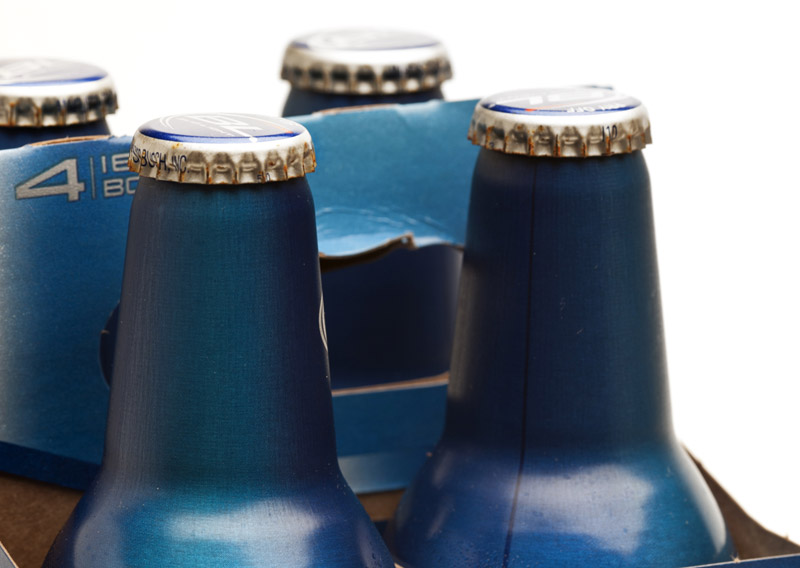 “The perfect beer to remove ‘no’ from your vocabulary” was the tag line on bottles of Bud Light as part of their “up for whatever” campaign. This is the height of irresponsibility in the alcohol industry. It’s patently offensive that the beer, wine and distilled spirits lobbies inject this substance into the culture with low tax and recession resistant impunity. Alcohol companies are notorious for “drink responsibly” messaging, only to counter it with this, showing their true intention.
 For years we have been told to “designate a driver” an innocuous message and one that may save lives but it presumes that is the only thing wrong with excessive alcohol use is impaired driving. The “designate a driver” culture doesn’t take into account that rates of sexual assault rise with the use of alcohol. Bud Light issued an apology and will stop this ad campaign but you can’t unring a bell. The posturing about safety doesn’t really help the social problems associated with alcohol. Today, Bud Light showed their cards, it’s time to hold alcohol companies accountable for the damage done by the product that makes them rich. The state of Virginia hasn’t seen a tax raise on Alcohol since the 70’s. A .10/100 tax per unit of beer sold in the state would yield $169,000,000 annual revenue. That would mean positioned drop in centers throughout the state and admission for state of the art treatment for the asking. When families struggle to find treatment, yes, insurance companies are scum but we are all complicit in this insanity. Write your congressman and demand a tax raise on beer dedicated for alcohol abuse services. It can be done.