When most Americans think of addiction and overcoming it, Alcoholics Anonymous, more commonly known as AA comes to mind. For most of the country, AA is often seen as the punch line of a joke and conjures up images of a meeting in a church basement with a circle of chairs and complimentary coffee in paper cups. But as the new documentary “A New High” shows, there’s a new recovery program that’s hoping to give AA a run for their money.
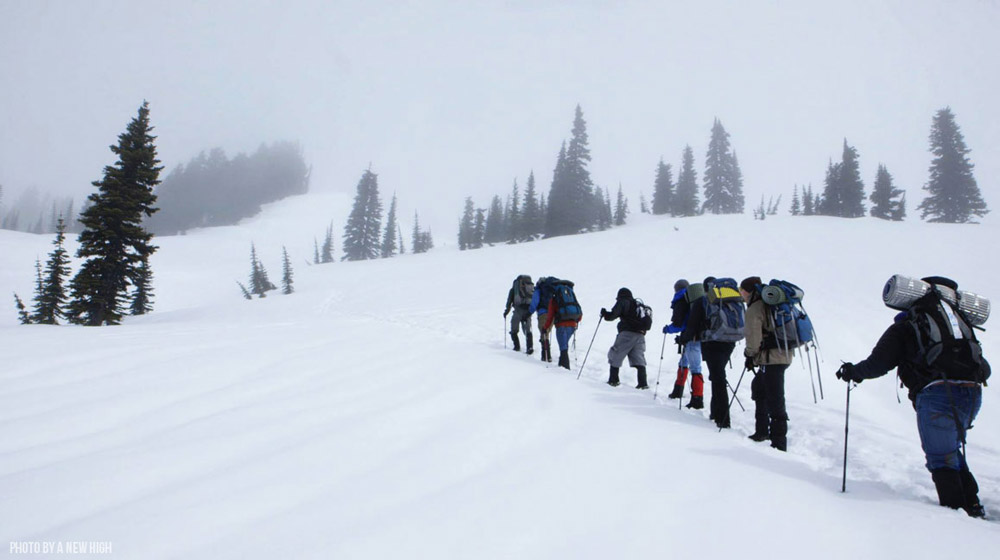
“A New High” is a documentary exploring the idea of rehab in a non-traditional way. The film chronicles the lives ofthose addled by addiction, some with shattered lives who have had multiple unsuccessful attempts to rebuild their lives and themselves. These people have found themselves in the care of Seattle’s Union Gospel Mission and dynamic former Army ranger, Mike Johnson. Johnson recruits a group of addicts to climb the 14,400-foot Mount Rainer, in hopes that the climbing of the physical mountain will help them to be able to climb and overcome their own personal mountains within.
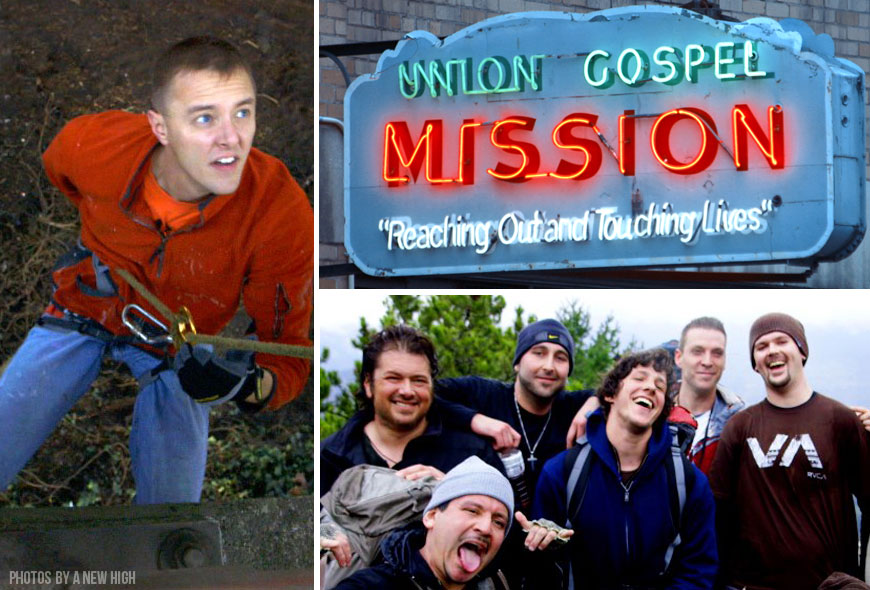
“This climbing thing, it gives them a chance to write a new story, a story of success, a story of hard work, the chance to be part of the team,” says Johnson. “It’s up the mountain, or it’s down into the grave.”
Johnson isn’t exaggerating the severity of the situation these people are in.
“The only thing that’s going to happen if I ever relapse is death,” said one of the climbers. “It’s not the way I was raised, it’s not who I am.”
Johnson’s program is so exciting, because it is potentially offering new opportunities to addicts who feel that rehab at AA may not be the right path for them. A growing movement is mounting, rejecting the idea that AA is the only road to recovery and millennials might be the leaders of this charge.
Recovery That’s Outside The Box

Creative, entrepreneurial, and accepting, millennials have made the gay/straight question about as exciting as left-handed or right-handed. They are playing jazz with tired definitions and assigned boxes and they seem to be doing the same with recovery.
According to AA there are 2,040,629 active members worldwide. In the grand scheme of a problem like addiction that number seems low. According to a study done in 2014 by the New York State Office of Alcohol and Substance Abuse Service (OASAS), there are 23.5 million Americans who describe themselves as being “in recovery”. That’s roughly 10% of the American population and 21 million more than AA’s global membership. That proves that AA must not be the only treatment available.
“You just feel so different from everyone else,” said another one of the climbers. “I just never did anything like this, I never thought I could.”
But this documentary begs the question; can an alternative program like this one work? Dr. Scott Bienenfeld, MD, a psychiatrist specializing in addiction says he thinks it can.
“Setting a goal to reach the summit of a mountain would require many of the things we suggest for people attempting to stabilize an addiction,” says Dr. Bienenfeld. “Vigorous physical activity, commitment, accountability and above all, peer support are all necessary requirements.”
Dr. Bienenfeld, who founded Rebound Brooklyn, a medical recovery program for people with substance abuse problems and addiction treatment, goes on to explain more about why AA’s success varies depending on the person.
“The reason AA works for some people is because they are doing something with other people and without intoxication,” says Dr. Bienenfeld. “Being a part of a team, training, goal setting and reaching those goals with other sober people is the kind of mutual help that can keep someone clean.”
Be a part of something bigger

It appears that the reoccurring theme and key when it comes to recovery is to feel like you are a part of something bigger than you. Reading a book in a church basement doesn’t seem to have a monopoly on active participation.
“AA is a great organization but it only works if it works for you,” says Dr. Bienenfeld. “If it doesn’t work, find something else that does.”
With the millions of American families, individuals and communities decimated by addiction when it rears its ugly head, certainly mountain climbing can’t be the solution to a complex and ancient problem. The take away from the film is inspiration, but Johnson sums it up the best:
“I choose joy. I’ve never found myself able to give up on anybody, because I believe in change. Because I saw it. You can do this and if you do, you will never be the same.”
A NEW HIGH will be screened on Saturday, Nov 14, at 9:15pm as part of DOC NYC at the IFC theater. Tickets available at www.docnyc.net.
This post originally appeared on MillennialMagazine.com
 In a refreshing respite from Trumps latest gaff, the news cycle was dominated this morning by something else. Unfortunately, it’s was a sad tale of scandal involving Ryan Lochte and two other young men from the U.S. Olympic swim team. Its seems that after some kind of issue at a gas station after a night of partying ended in a fabricated story about being held at gunpoint. A convenient way to sweep poor decisions under the rug and blame bad behavior on a dire economic condition in Brazil. Clearly this was a situation that got out of hand and the intention to get out of it, went awry.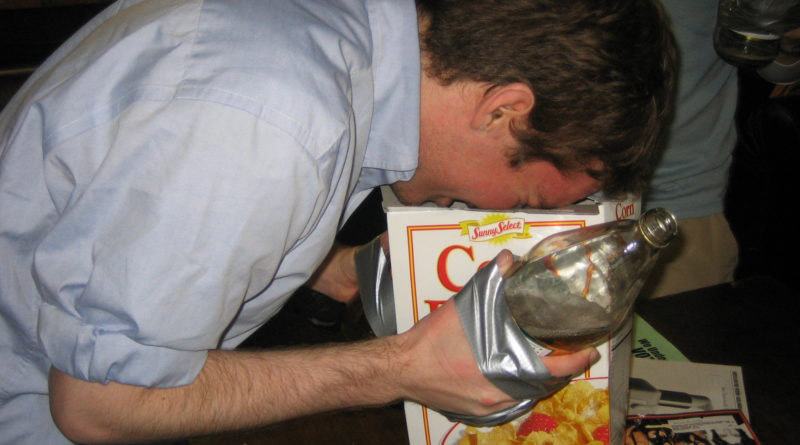

 Yesterday in a bizarre ruling, an Oklahoma court found forced oral sex with someone too intoxicated to consent, legal. Huh? Can that be possible? “Yes” is the sad and inexplicable answer. The case that produced the ruling involved a 17 year old boy and 16 year old girl. A later hospitalization showed the girl had a blood alcohol content of .34, which could produce death. She was drunk, bone saturated drunk beyond recognition and certainly beyond any ability to consent to anything. There were no reports regarding the boy’s level of intoxication, if any. Rightfully so, there are numerous public outcries from advocacy groups and just about anyone with a a sense of humanity. Think about the message here: pesky courtship and dating rituals, consensual decisions are way too bothersome, all you need is a 12 pack and a passed out date. There are so many issues with this that should be examined and the media is alive with condemning the court’s decision. Much of the attention is focused on the boy. That he was a calculating sexual predator. He might be but there is a massive oversight when discussing the problem and that is the alcohol. Of course the alcohol doesn’t excuse the behavior and certainly doesn’t let anyone off the hook but it’s playing a big role here and we should take a look at it.
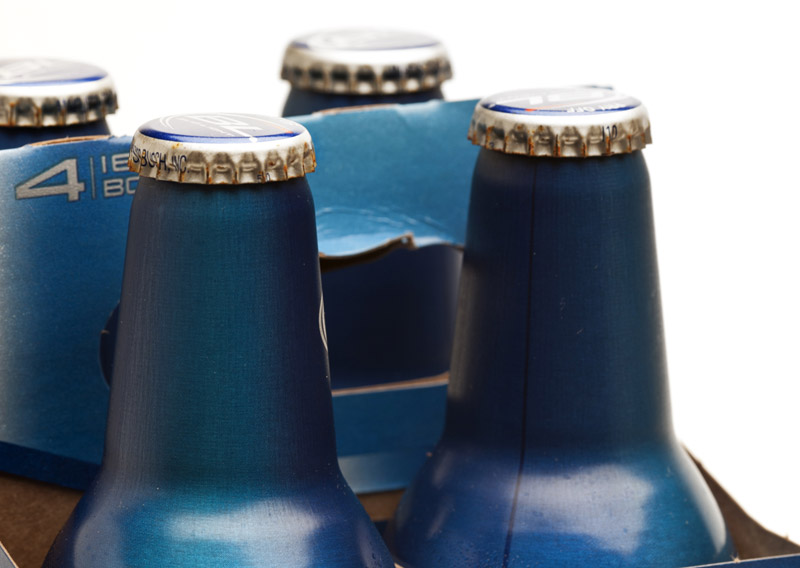 “The perfect beer to remove ‘no’ from your vocabulary” was the tag line on bottles of Bud Light as part of their “up for whatever” campaign. This is the height of irresponsibility in the alcohol industry. It’s patently offensive that the beer, wine and distilled spirits lobbies inject this substance into the culture with low tax and recession resistant impunity. Alcohol companies are notorious for “drink responsibly” messaging, only to counter it with this, showing their true intention.
 For years we have been told to “designate a driver” an innocuous message and one that may save lives but it presumes that is the only thing wrong with excessive alcohol use is impaired driving. The “designate a driver” culture doesn’t take into account that rates of sexual assault rise with the use of alcohol. Bud Light issued an apology and will stop this ad campaign but you can’t unring a bell. The posturing about safety doesn’t really help the social problems associated with alcohol. Today, Bud Light showed their cards, it’s time to hold alcohol companies accountable for the damage done by the product that makes them rich. The state of Virginia hasn’t seen a tax raise on Alcohol since the 70’s. A .10/100 tax per unit of beer sold in the state would yield $169,000,000 annual revenue. That would mean positioned drop in centers throughout the state and admission for state of the art treatment for the asking. When families struggle to find treatment, yes, insurance companies are scum but we are all complicit in this insanity. Write your congressman and demand a tax raise on beer dedicated for alcohol abuse services. It can be done.